
Core Components of In-Home Medication Oversight
Inventory and Verification
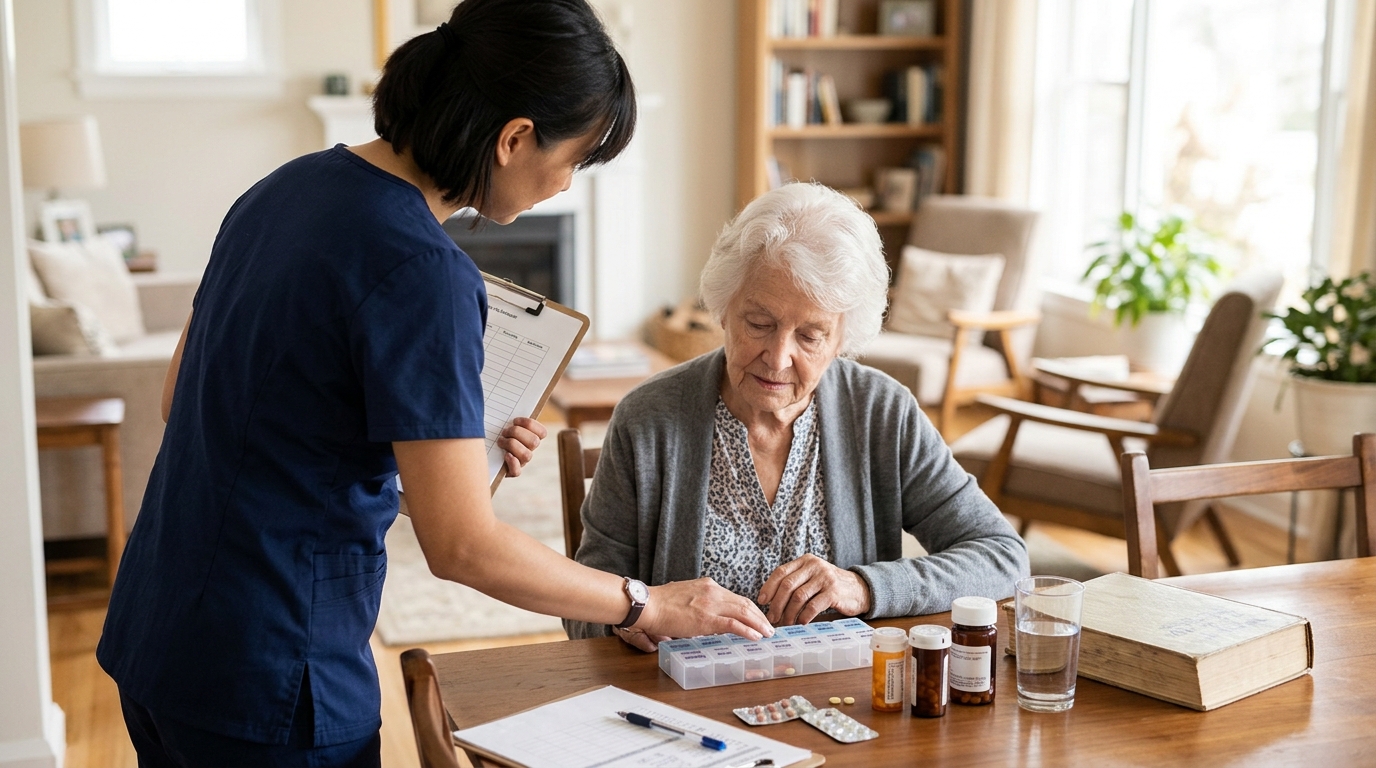
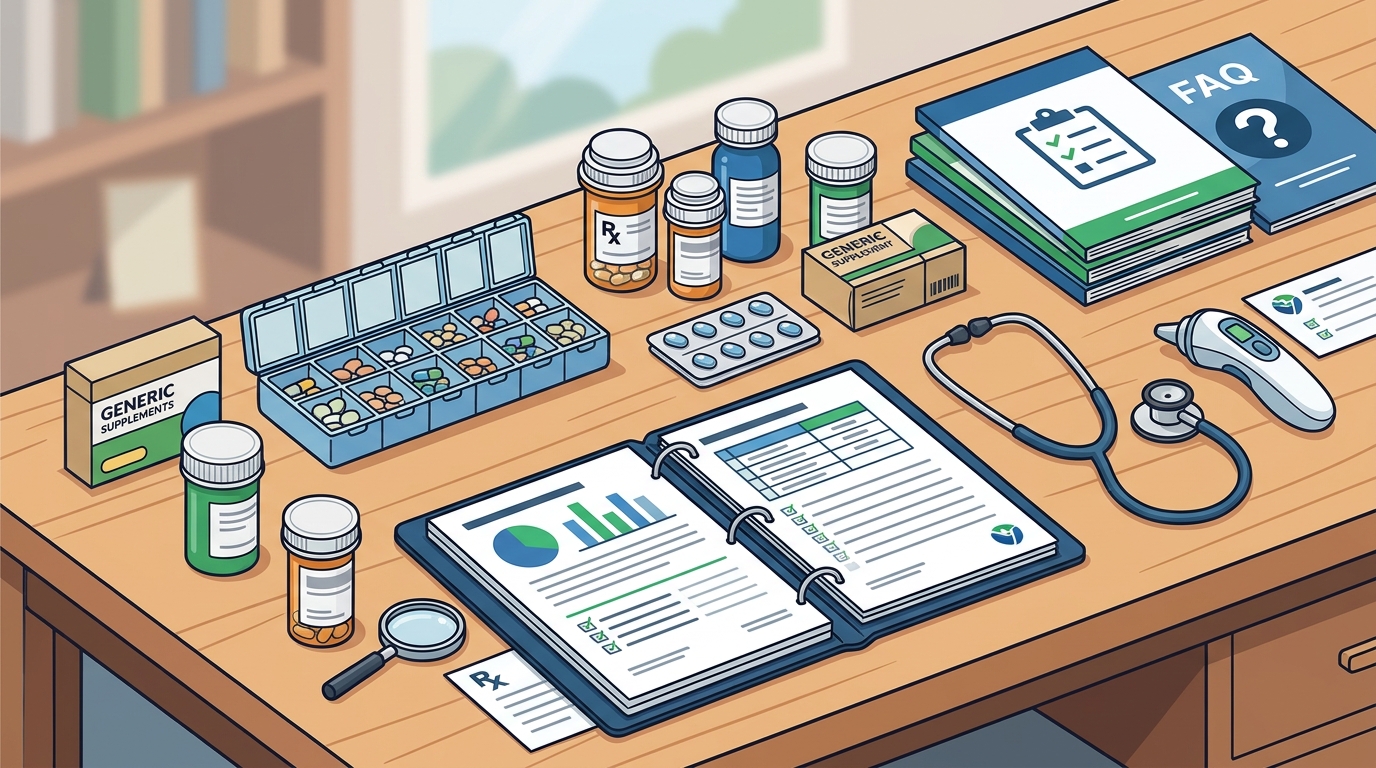
The first step in professional management is a complete audit of all medications, including over-the-counter drugs and supplements. This prevents duplication and identifies conflicts before they cause harm. A registered nurse (RN) or licensed vocational nurse (LVN) will cross-reference these items with the senior's medical history to ensure safety. For additional details, review the Frequently Asked Questions.
Administration and Timing
Professionals handle the physical administration of medications, ensuring they are taken at the correct times and with the appropriate food or water. This is critical for medications that require specific conditions to be absorbed effectively. For seniors with cognitive decline, this direct supervision is often the only way to guarantee adherence. For additional details, review the About.
Addressing Safety Risks in the Home Environment
Older adults receiving home care often face significant safety risks related to medication management due to their chronic diseases and complex health needs. Qualitative studies highlight that the home environment presents unique challenges, such as improper storage, lack of secure disposal methods, and environmental contamination. Professional caregivers mitigate these risks by implementing strict security protocols for controlled substances and ensuring that expired or unused medications are disposed of correctly.
Preventing Adverse Events
Medication-related problems such as administration errors and adverse drug events lead to increased use of emergency care and hospital admissions. A scoping review protocol notes that older adults with polypharmacy are at high risk for these issues. By introducing a professional layer of oversight, the likelihood of these preventable errors is significantly reduced.
Storage and Security
The Role of Technology and Documentation
Modern medication management relies heavily on technology-based interventions to track adherence and monitor health outcomes. Home care staff use evidence-based protocols and associated software to screen older clients for potential medication-related problems. According to AHRQ, these software-aided review protocols allow care managers to collaborate with pharmacists and physicians to reduce the risk of medication errors. This digital documentation creates a transparent record that can be shared with the senior's primary care team.
Digital Tracking and Alerts
Technology tools can send reminders for upcoming doses and flag potential interactions in real-time. This is particularly useful for seniors who live alone or have limited family support. The data generated from these systems helps identify trends in health status, allowing for proactive adjustments to the care plan. according to Medication Management Strategies
Communication with Providers
Professionals act as a bridge between the senior and their healthcare providers. They report side effects, question changes in prescriptions, and advocate for simplification of complex regimens. This communication training helps families interact effectively with healthcare providers, ensuring that the senior's voice is heard in their own care.
Family Involvement and Caregiver Education
Education and Advocacy
Reducing Caregiver Burden
Professional Standards and Regulatory Compliance
Professional medication management is governed by strict regulatory standards to ensure patient safety. In many jurisdictions, facilities and home care providers must follow specific rules when helping residents take medication. The Wisconsin Department of Health Services outlines the rules staff need to know when helping residents take medication, emphasizing the importance of proper training and documentation. These standards ensure that only qualified professionals are administering medications and that all actions are recorded accurately.
Training and Certification
Staff involved in medication management must undergo rigorous training, often including job shadowing with more senior staff. A study on assisted living found that job shadowing is a common method for training new hires in medication management. This hands-on experience ensures that caregivers are competent and confident in their roles.
Documentation and Accountability
Accurate documentation is a legal and ethical requirement in professional medication management. Every dose administered, every side effect observed, and every change in the medication regimen must be recorded. This documentation provides a clear audit trail that protects both the patient and the caregiver. It also facilitates continuity of care when different caregivers are involved.
Key Takeaways
- Professional medication management involves a structured process of inventorying, administering, and monitoring prescriptions to ensure safety and adherence.
- Older adults with polypharmacy are at high risk for medication-related problems, including administration errors and adverse drug events.
- Technology-based interventions and software-aided review protocols help reduce the risk of medication errors and improve communication with healthcare providers.
- Family involvement is critical, and professional caregivers educate families on proper storage, disposal, and security of medications.
- Strict regulatory standards and rigorous training ensure that only qualified professionals are administering medications and that all actions are documented accurately.
Frequently Asked Questions
What is the primary goal of professional medication management at home?
The primary goal is to ensure that seniors take their medications correctly, safely, and consistently, thereby reducing the risk of adverse drug events and improving overall health outcomes.
Who can provide professional medication management services?
Qualified healthcare professionals, including registered nurses (RNs), licensed vocational nurses (LVNs), and certified nursing assistants (CNAs), can provide these services, depending on the specific tasks involved and local regulations.
How does technology assist in medication management?
Technology assists by providing digital tracking, reminders, and software-aided review protocols that help identify potential medication-related problems and facilitate communication with healthcare providers.
What role do family members play in medication management?
Family members play a critical role by providing emotional support, assisting with daily routines, and collaborating with professional caregivers to ensure the senior's needs are met.
Why is documentation important in medication management?
Documentation is important because it provides a clear record of all medications administered, side effects observed, and changes made to the regimen, ensuring continuity of care and accountability.
How can professional caregivers help with medication storage and security?
Professional caregivers ensure that medications are stored in a cool, dry place and are secured from accidental access, including proper disposal of expired or unused medications. Learn more: centurycityconcierge com.